Anna Richter · 2 September 2026
The Polish government has decided to increase financial support for science, technology, engineering, and mathematics programs at state-funded higher education institutions. This policy change reflects a commitment to advancing technological capabilities and fostering economic development through education. The expansion is set to begin in the upcoming academic year with phased implementation across various regions.
Allocation of Additional Resources
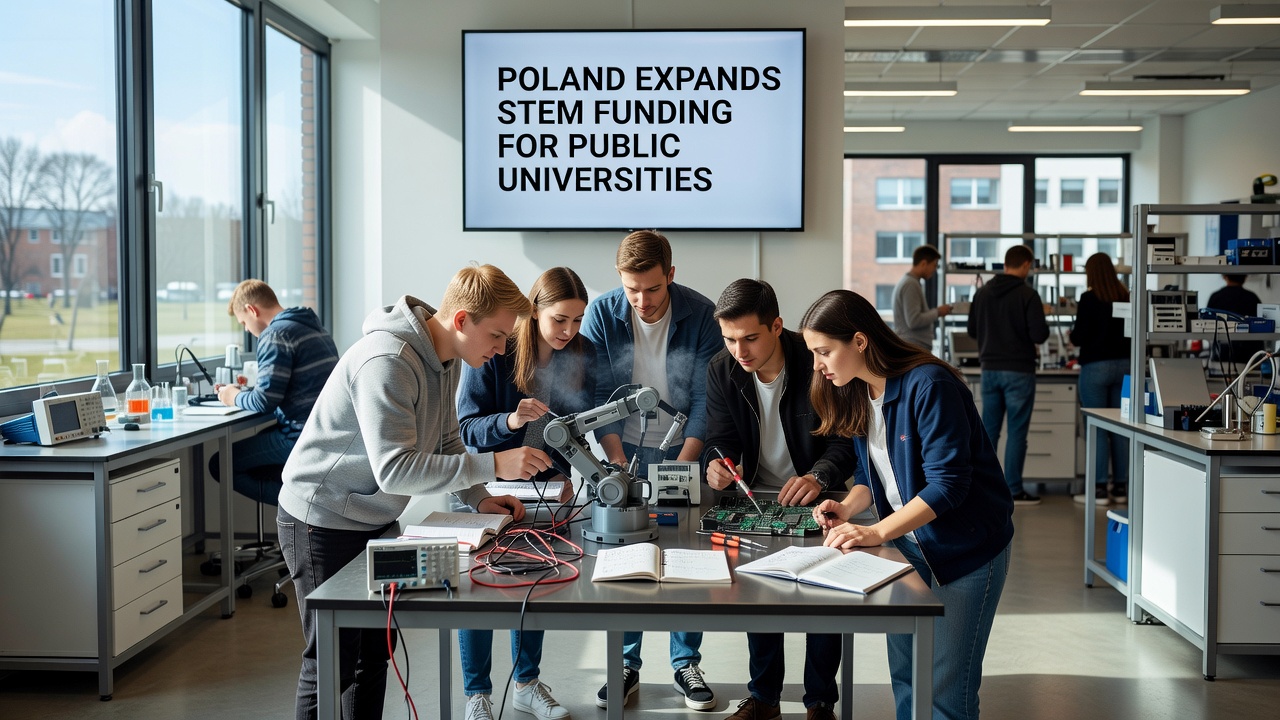
Authorities have outlined that the new funding will prioritize infrastructure improvements, such as modernizing research facilities and acquiring advanced equipment for laboratories. Faculty members will have access to grants for professional development and international conferences. Student support mechanisms including stipends and research assistant positions will also see enhancements. This comprehensive approach is designed to attract top talent and retain skilled academics within the country. Reports indicate that universities in major cities like Krakow and Wroclaw stand to gain the most due to their established STEM departments. Furthermore, partnerships with private sector companies are encouraged to ensure that curricula remain aligned with industry needs. The initiative includes provisions for interdisciplinary projects that combine STEM with other fields like environmental studies.
Impact on Academic Programs and Enrollment
As a result of this funding boost, public universities are expected to introduce new specialized courses and expand existing ones in high-demand areas such as data science and cybersecurity. Enrollment numbers in STEM disciplines could rise significantly, providing more graduates ready for the workforce. Academic advisors anticipate that this will influence course selection patterns among prospective students seeking quality education options. The measure also aims to reduce disparities between urban and rural institutions by directing some funds to less developed areas. Overall, experts believe these efforts will contribute to Poland's growing reputation in European scientific communities and support long-term innovation goals. Additional resources may enable universities to update course materials and offer more hands-on training opportunities essential for modern STEM education.