
Ellis Griffin · 22 October 2026
Accelerated Visa Approvals Encourage Cross-Border Enrollments in Poland's Emerging Online and Vocational Programs
Poland's updated visa processing procedures have shortened approval times for international applicants seeking entry into online and vocational education tracks, and this shift has coincided with measurable increases in cross-border enrollments across multiple institutions since the adjustments were implemented. Data compiled by national education authorities shows that processing periods dropped from an average of 90 days to under 45 days in many cases, allowing students from outside the European Union to begin coursework without extended delays. Researchers tracking enrollment trends note that vocational programs in fields such as digital logistics, renewable energy maintenance, and healthcare support have recorded the sharpest gains, while fully online degree pathways have attracted applicants who previously viewed border logistics as a barrier.
Policy Adjustments and Their Direct Effects
Visa reforms introduced through coordination between Poland's Ministry of Education and migration services have prioritized applicants with confirmed spots in accredited online or vocational programs, and authorities have streamlined documentation requirements for proof of enrollment. Figures released in October 2026 indicate that approvals for student visas tied to these program types rose by 28 percent compared with the same period the previous year, according to records maintained by the Office for Foreigners. Institutions report that the faster turnaround has encouraged applicants from countries including India, Nigeria, and Vietnam to complete applications earlier in the academic cycle, reducing last-minute deferrals that once disrupted program starts. Observers note that the changes align with broader European Union efforts to facilitate skilled migration through education routes, yet Poland's implementation has focused specifically on vocational credentials that lead to recognized qualifications within 12 to 24 months.
One Warsaw-based technical institute documented a 35 percent rise in non-EU enrollments for its part-time vocational certificates in automation and data systems after the visa timelines improved, and similar patterns have appeared at regional colleges offering hybrid programs that combine remote theory modules with short in-person practical sessions. Enrollment dashboards at these schools show that many new participants maintain employment in their home countries while completing credentials, which reduces financial strain and allows them to apply skills immediately upon return. The flexibility of online delivery has proven especially useful for those balancing family obligations, as the accelerated visa route removes the need for prolonged relocation before studies begin.
Growth in Specific Program Categories
Vocational pathways in information technology support and green economy skills have drawn particular attention, and enrollment records reveal that cross-border participation in these areas doubled between 2024 and 2026. Online platforms hosted by Polish universities now accommodate students who complete theoretical modules remotely before traveling for brief certification exams or apprenticeships, and this model has lowered overall costs for participants. A study released by the European Education Area tracks how such arrangements support labor mobility goals, with data indicating that graduates from these programs often secure positions in sectors facing shortages across the EU. What's notable is that institutions have expanded language support services and digital onboarding resources to accommodate the influx, ensuring that language proficiency requirements do not create new bottlenecks even as visa processing accelerates.
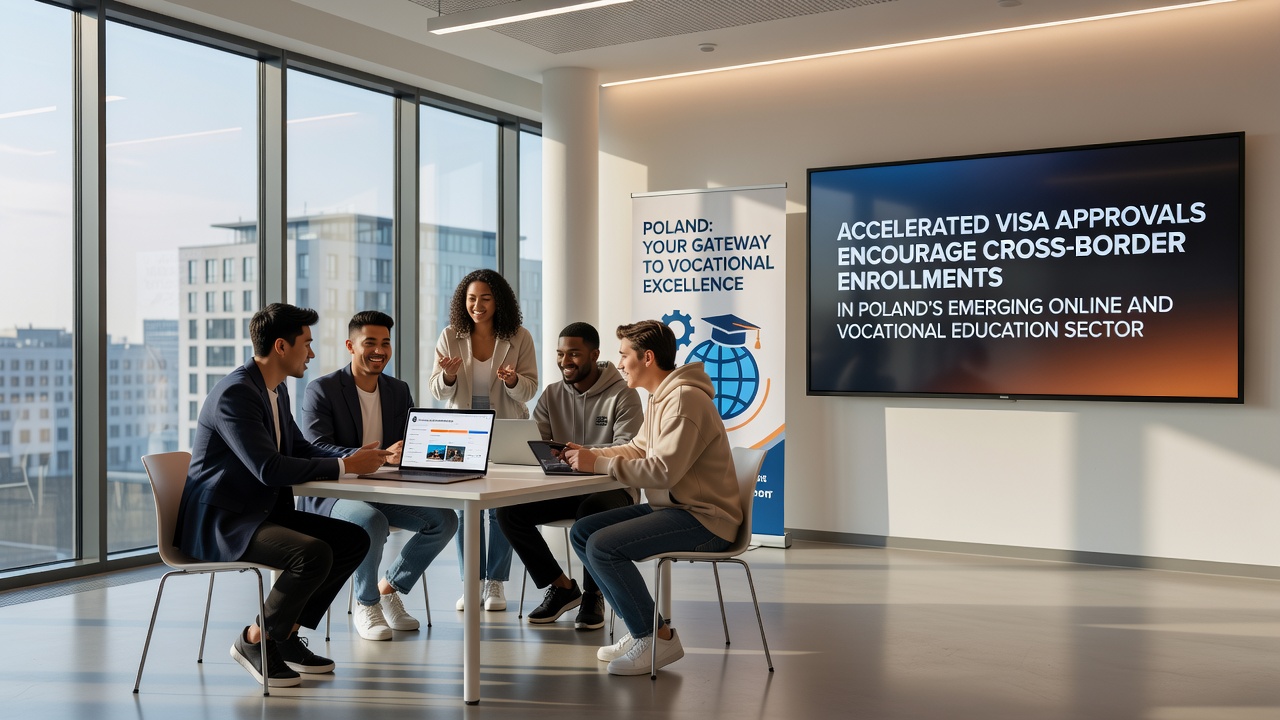
Additional programs in medical coding, sustainable agriculture techniques, and e-commerce operations have also seen enrollment spikes, and administrators attribute part of the increase to partnerships with recruitment agencies in source countries that highlight the shortened visa windows. These agencies provide guidance on required financial proofs and health insurance documentation, which further smooths the application process. In October 2026 alone, several polytechnics reported that nearly half of their new vocational cohort originated from outside Poland, a shift from earlier years when domestic students formed the clear majority.
Institutional Adaptations and Enrollment Data
Polish universities offering fully online bachelor's and master's options have adjusted admission cycles to align with faster visa outcomes, and many now accept rolling applications rather than fixed deadlines. This adjustment accommodates applicants who receive program acceptances at different points in the year. According to OECD education indicators, Poland's share of international students in short-cycle tertiary programs rose notably during this period, reflecting the appeal of credentials that combine vocational focus with remote accessibility. Those tracking these developments point to improved coordination between consulates and education providers as a key factor, since pre-verified enrollment letters now expedite security checks. Rural campuses have benefited as well, with some reporting that online enrollment options allow them to attract participants who would otherwise face travel restrictions.
Case examples illustrate the pattern clearly. One technical college in Kraków expanded its online vocational track in supply chain management after observing a steady stream of inquiries from applicants in Southeast Asia, and the shortened approval process enabled the first cohort to begin modules within six weeks of acceptance. Another provider in Gdańsk noted that its hybrid healthcare assistant program filled remaining seats faster than anticipated once visa processing stabilized, allowing the institution to add an additional intake period in late 2026.
Looking Ahead
Continued monitoring by education ministries suggests that these enrollment trends will persist as long as processing efficiencies remain in place, and further refinements to documentation requirements could amplify participation from additional regions. Institutions continue to refine digital infrastructure and support services to match the growing demand, while maintaining compliance with quality standards set by national accreditation bodies. The interplay between visa policy and program design has created new pathways that connect international learners directly to Poland's vocational and online offerings without the previous administrative hurdles.
Conclusion
Accelerated visa procedures have reshaped access to Poland's emerging online and vocational programs by reducing wait times and clarifying requirements for international applicants. Enrollment statistics through October 2026 confirm higher participation rates across targeted fields, and institutions have responded with expanded digital resources and adjusted calendars. These developments rest on documented policy changes and measurable outcomes rather than projections, providing a factual basis for understanding how administrative adjustments influence cross-border education flows.